All articles
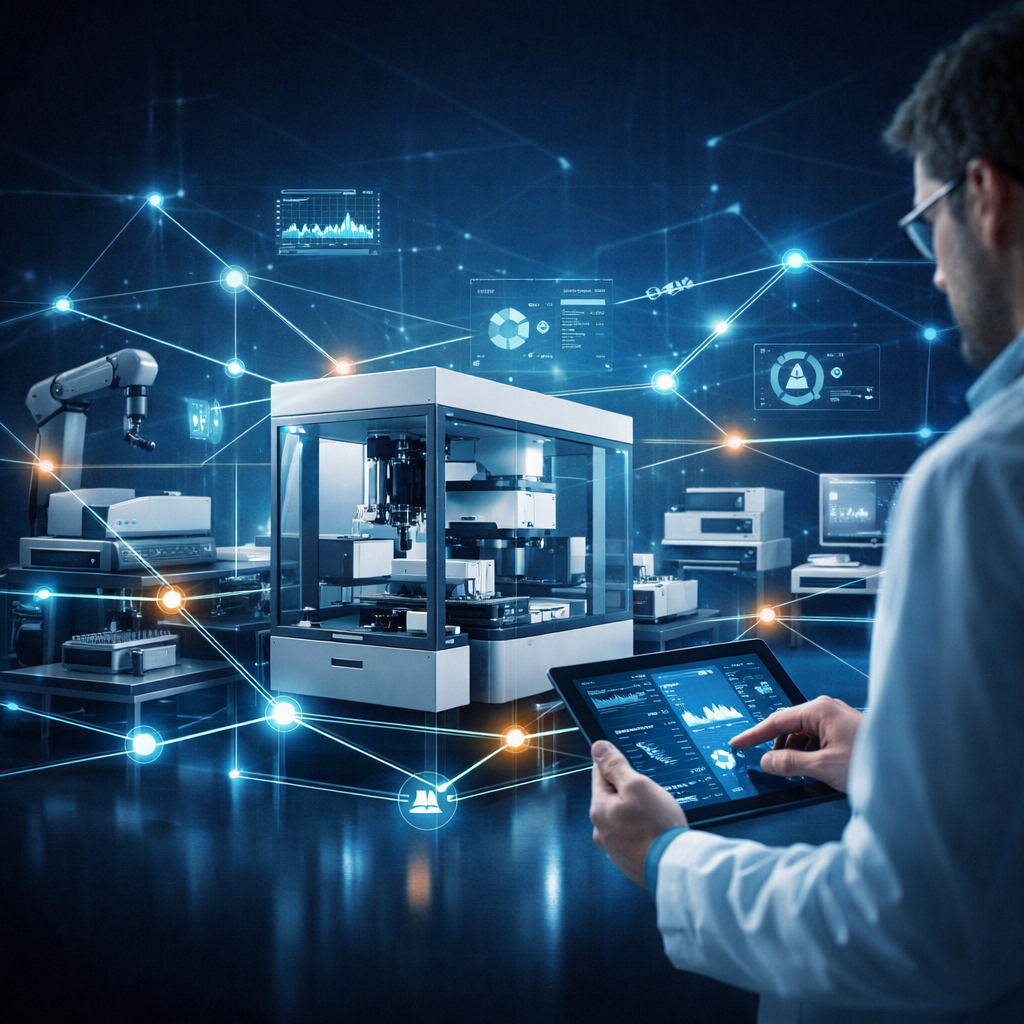
Laboratory automation boosts efficiency—but at the same time increases system complexity. Without structured knowledge management, dependencies arise, leading to long downtimes and errors whose causes are difficult to trace. Only through the centralized collection and utilization of operational knowledge can automation truly be managed and remain sustainably efficient.
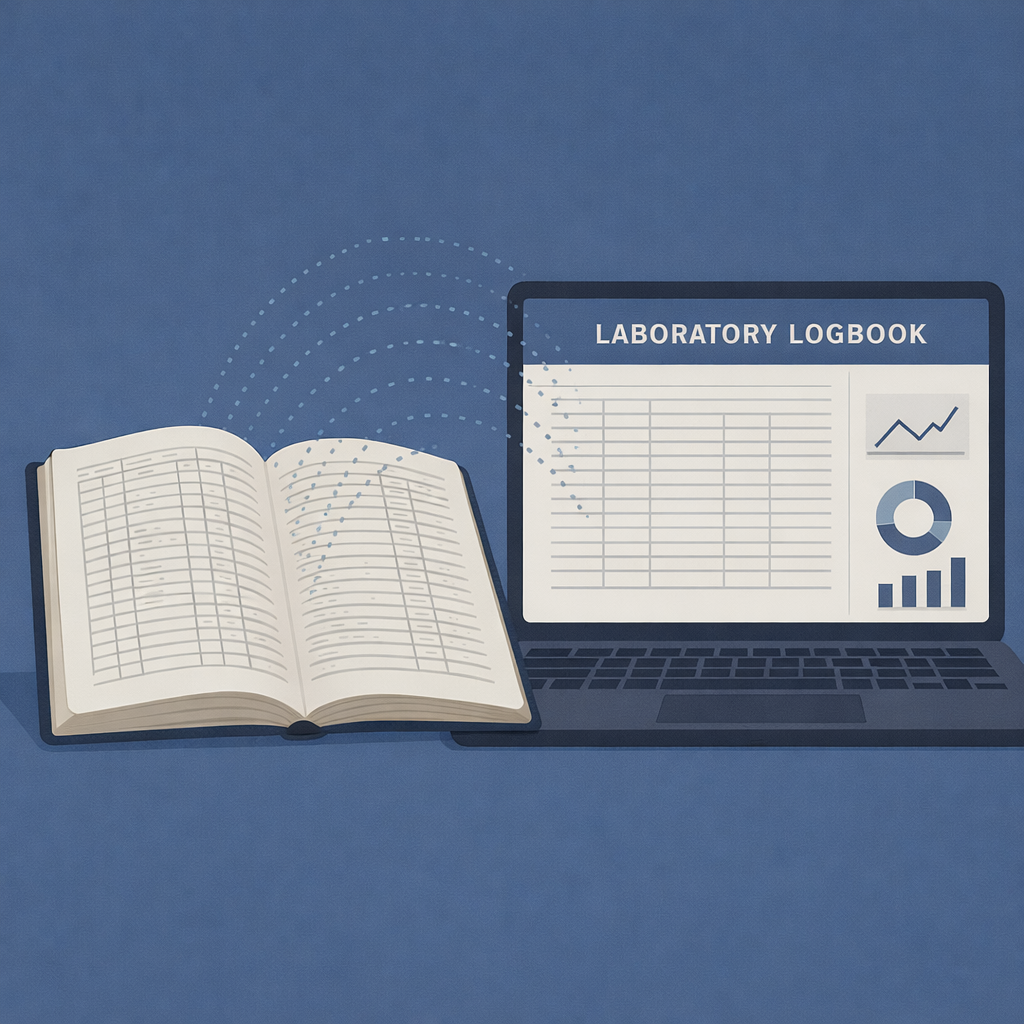
Do you keep a logbook—or do you actually use it? In many labs, the daily entries hold enormous potential that remains untapped. While lab logbooks have been a staple of lab work for decades, it is only through lab digitization that they are realizing their true potential.
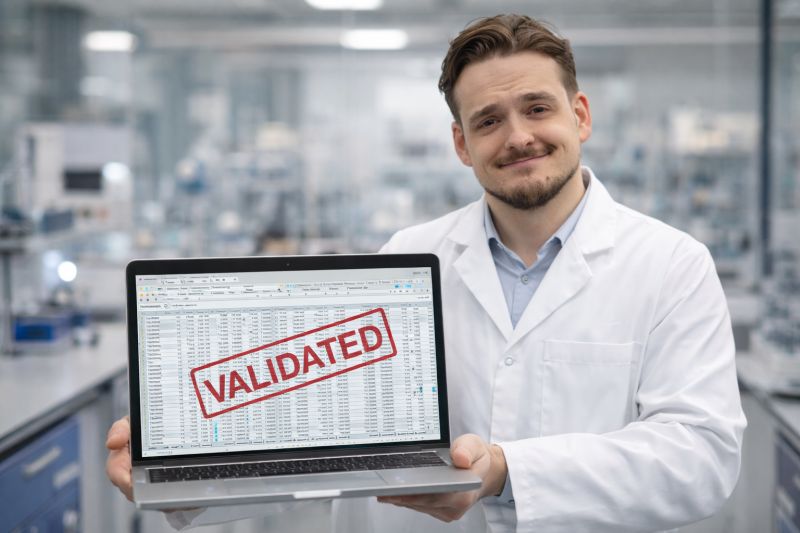
From Excel to test equipment management software: How laboratories can identify shadow IT and make a structured transition to professional measurement equipment monitoring.
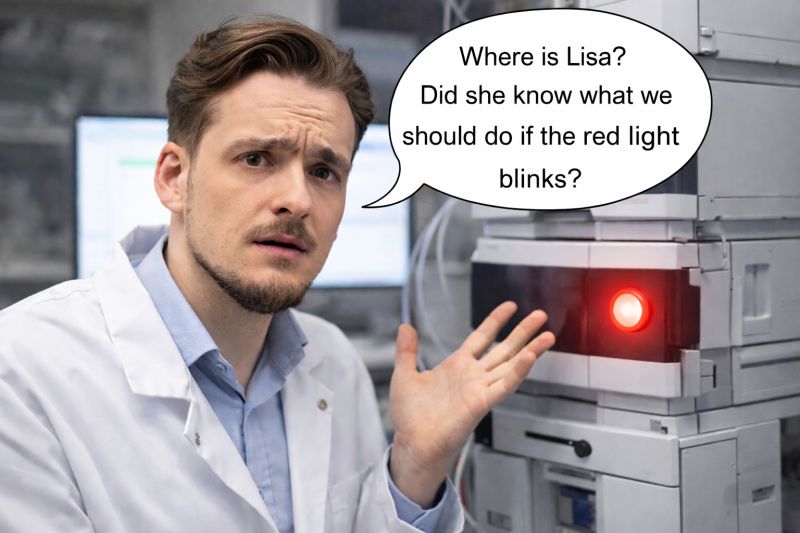
Why modern analytical instruments without structured knowledge management become a risk factor—and how laboratories can secure the value of their investments through systematic knowledge systems
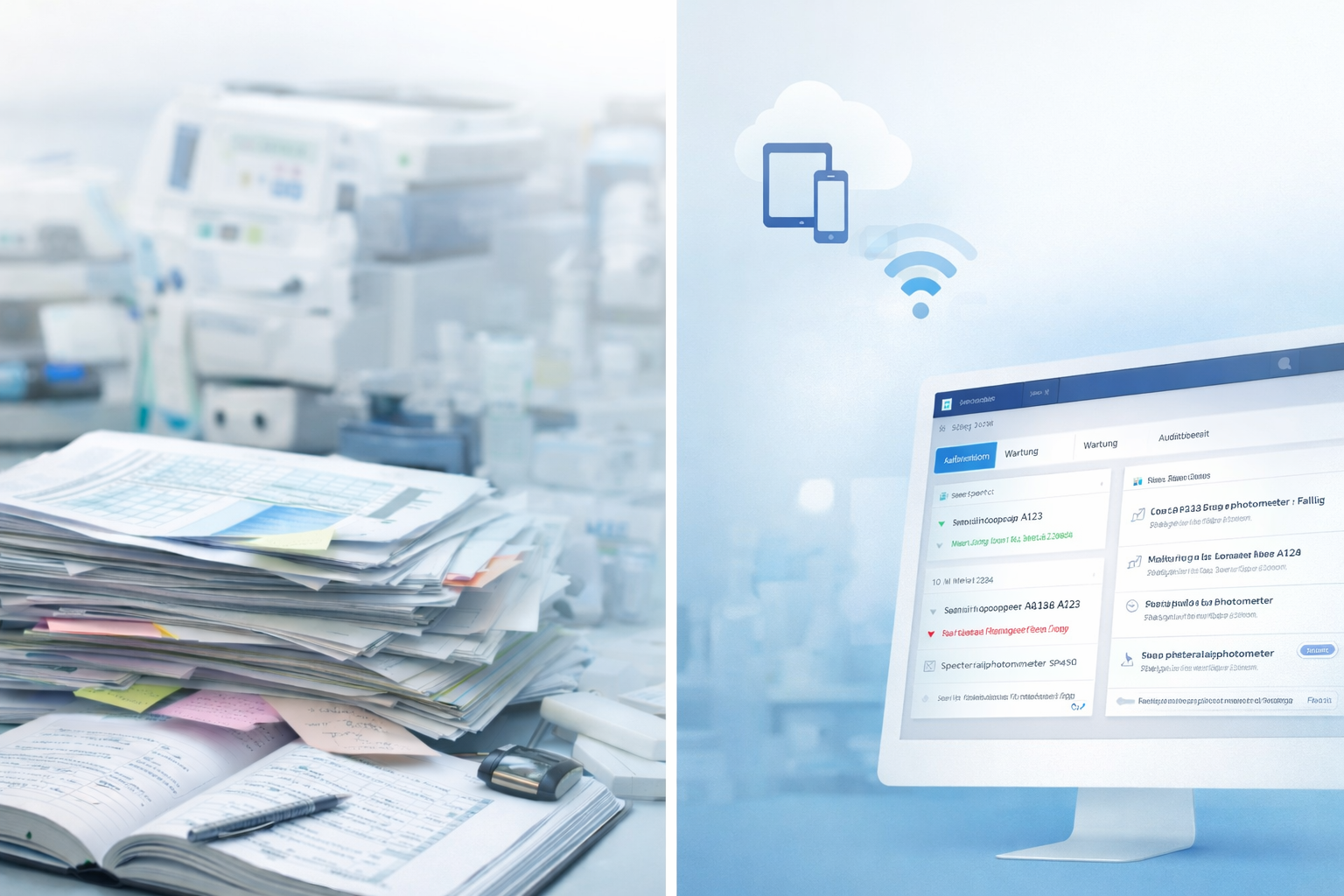
Does lab documentation take up time instead of helping? Learn why Excel has its limitations in test equipment monitoring and how digital solutions can help.
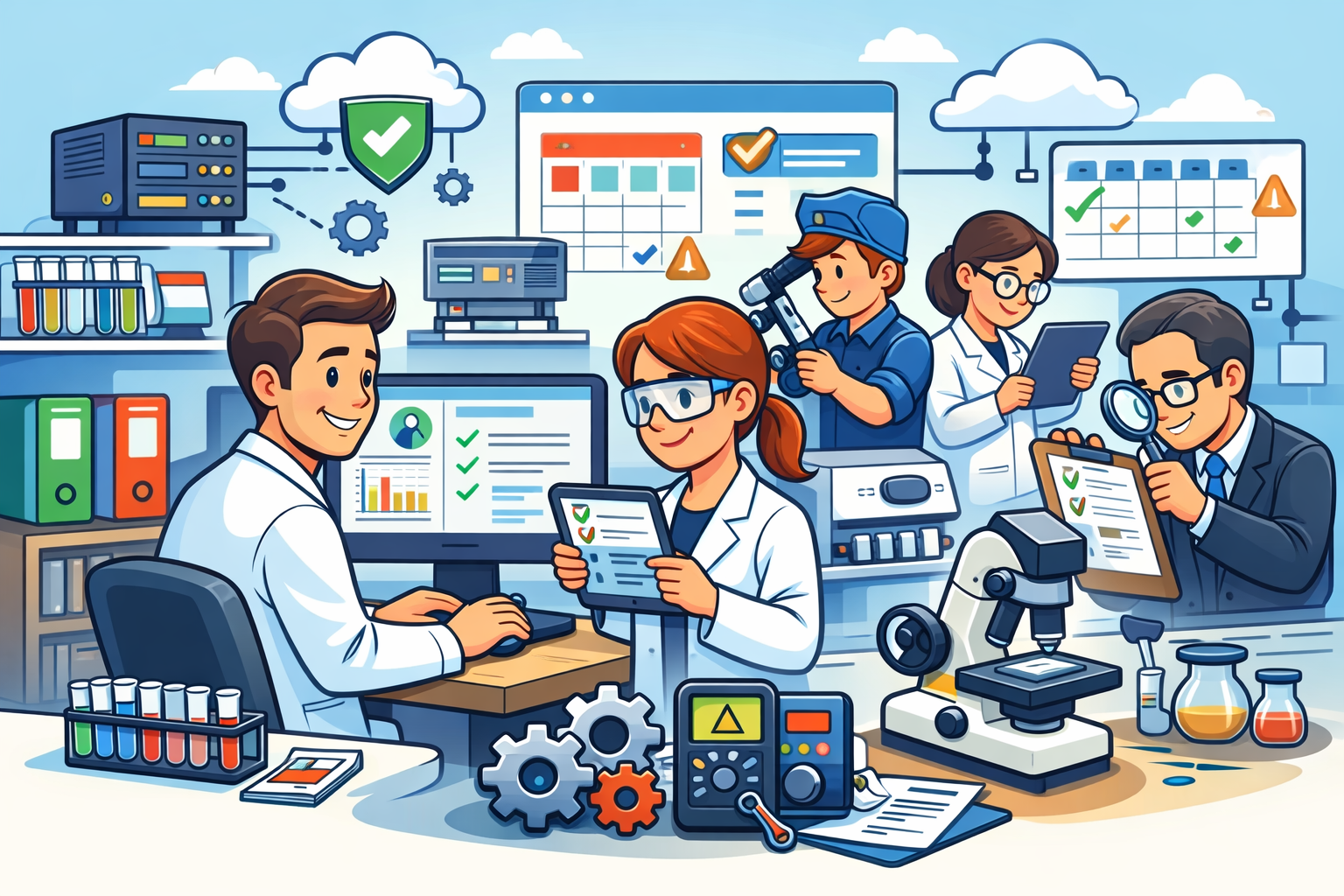
Test equipment monitoring & laboratory digitization for standard-compliant implementation of ISO 17025 and ISO 15189.
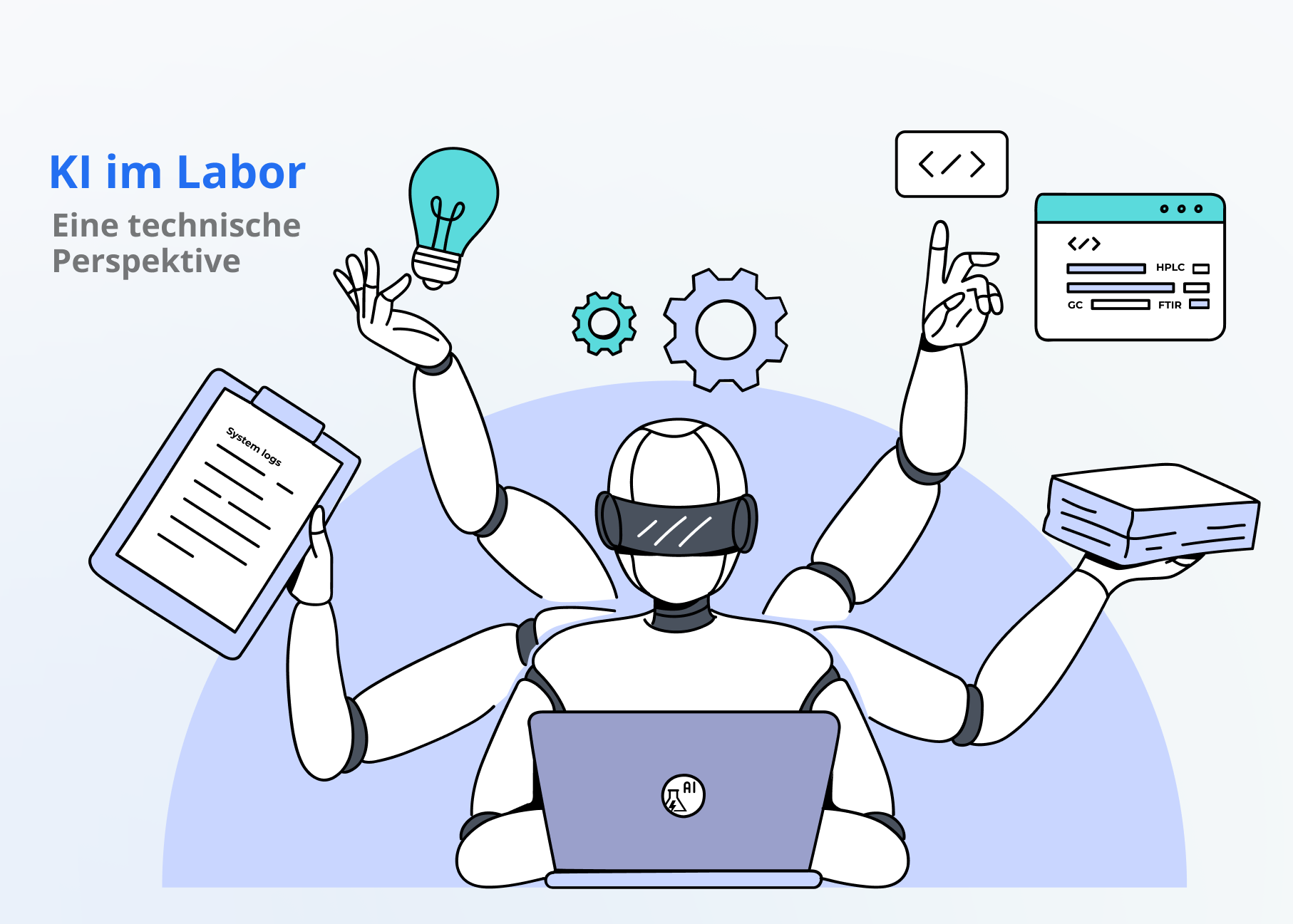
Context does not arise from individual pieces of information, but from their controlled, semantic, and temporal linking.
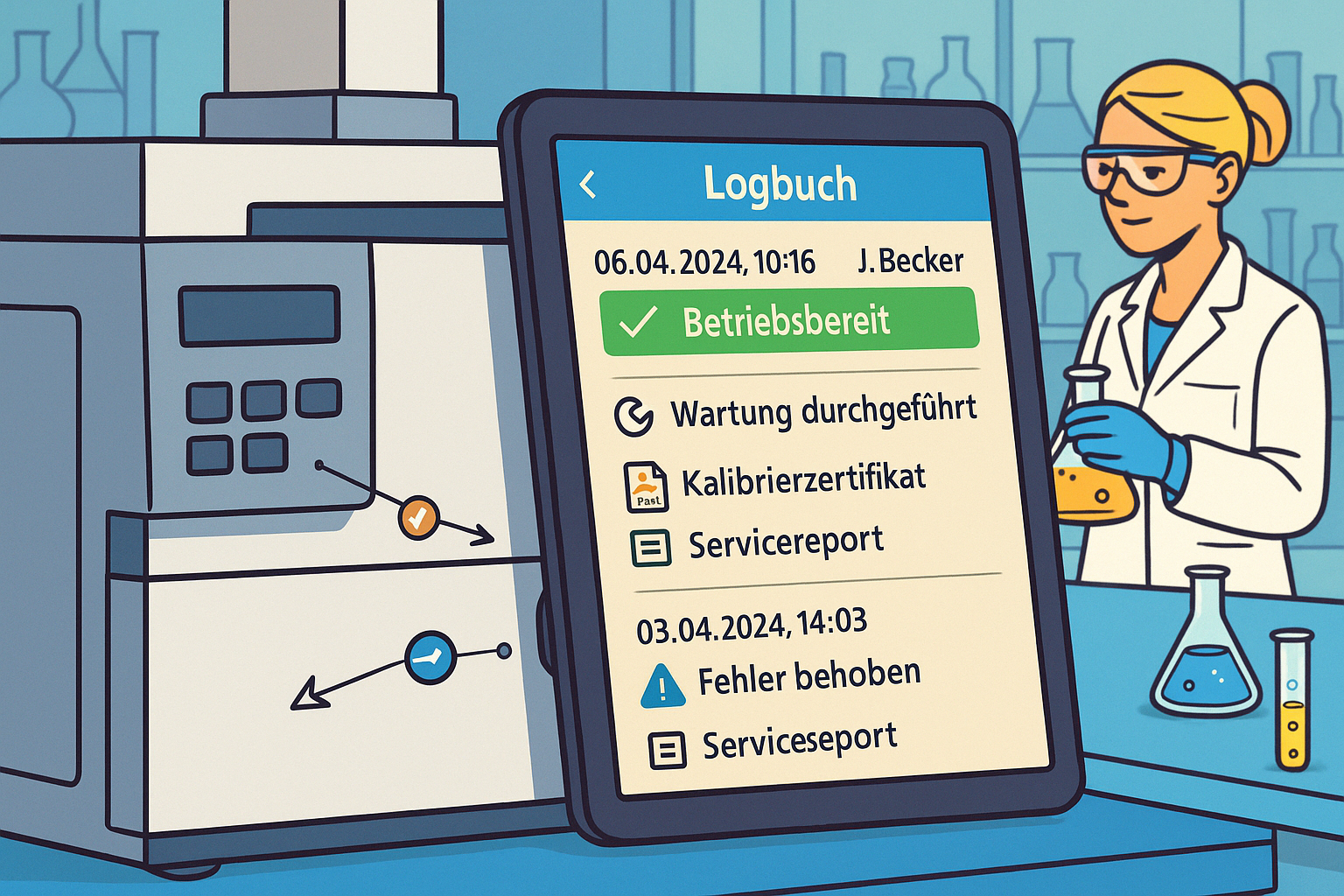
Digital logbooks in the laboratory: Why paper and Excel are no longer sufficient, what role ISO 17025, GMP, and ALCOA play—and how laboratories can use device knowledge in a future-proof way today.

Maintenance and calibration planning in the laboratory without chaos: How to comply with ISO 17025, GMP, and GLP and keep testing equipment, deadlines, and compliance under control.