
.png)
AI systems are familiar with all your laboratory documentation and guide you step by step through complex procedures – available 24/7.


LabThunder:
✅ Compliant with ISO 17025, GMP/GLP, and ISO 15189
✅ Digital logbooks instead of paper chaos
✅ Thunder AI central intelligence for errors & questions
✅ Smart & predictive maintenance prevents downtime
✅ Greater independence from external service providers
✅ Up to 50% fewer service calls
✅ Easy to use - no IT required
Contact us today for a free demo:
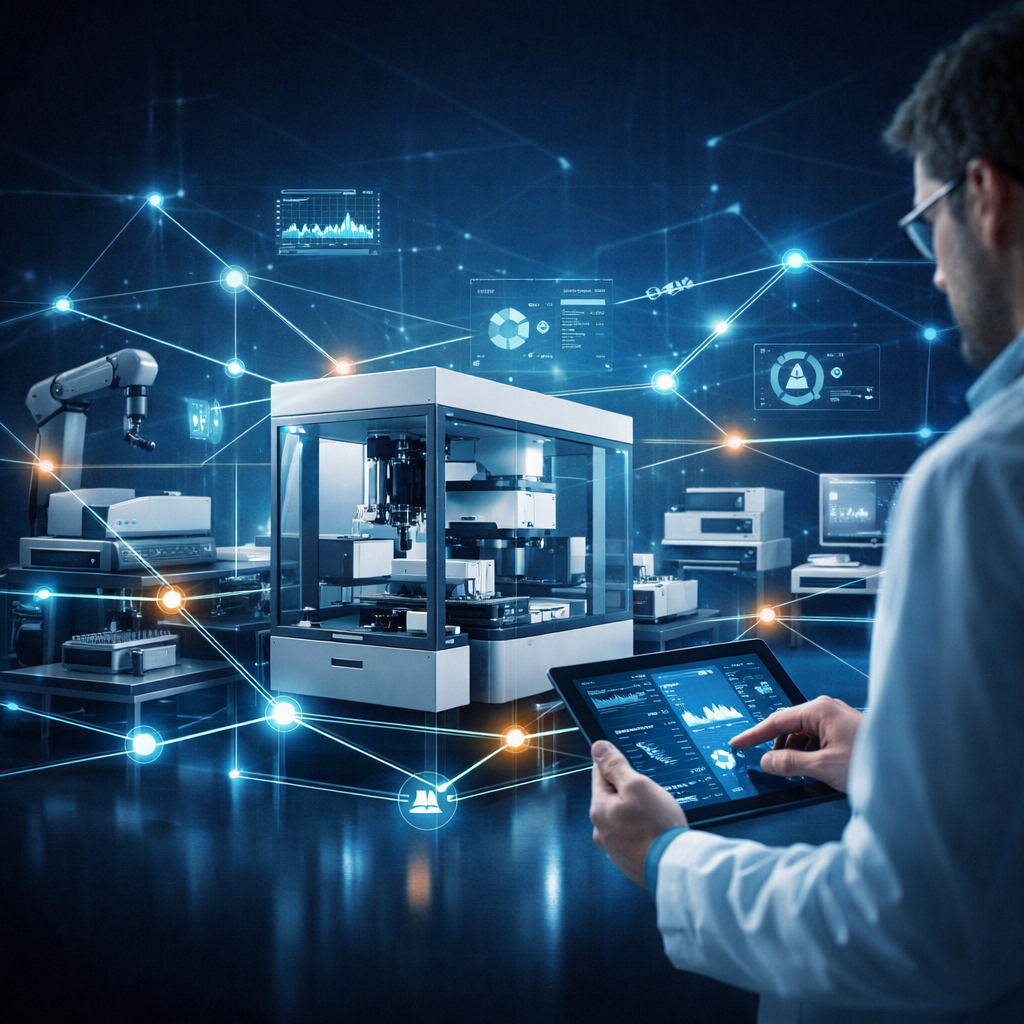
Laboratory automation boosts efficiency—but at the same time increases system complexity. Without structured knowledge management, dependencies arise, leading to long downtimes and errors whose causes are difficult to trace. Only through the centralized collection and utilization of operational knowledge can automation truly be managed and remain sustainably efficient.
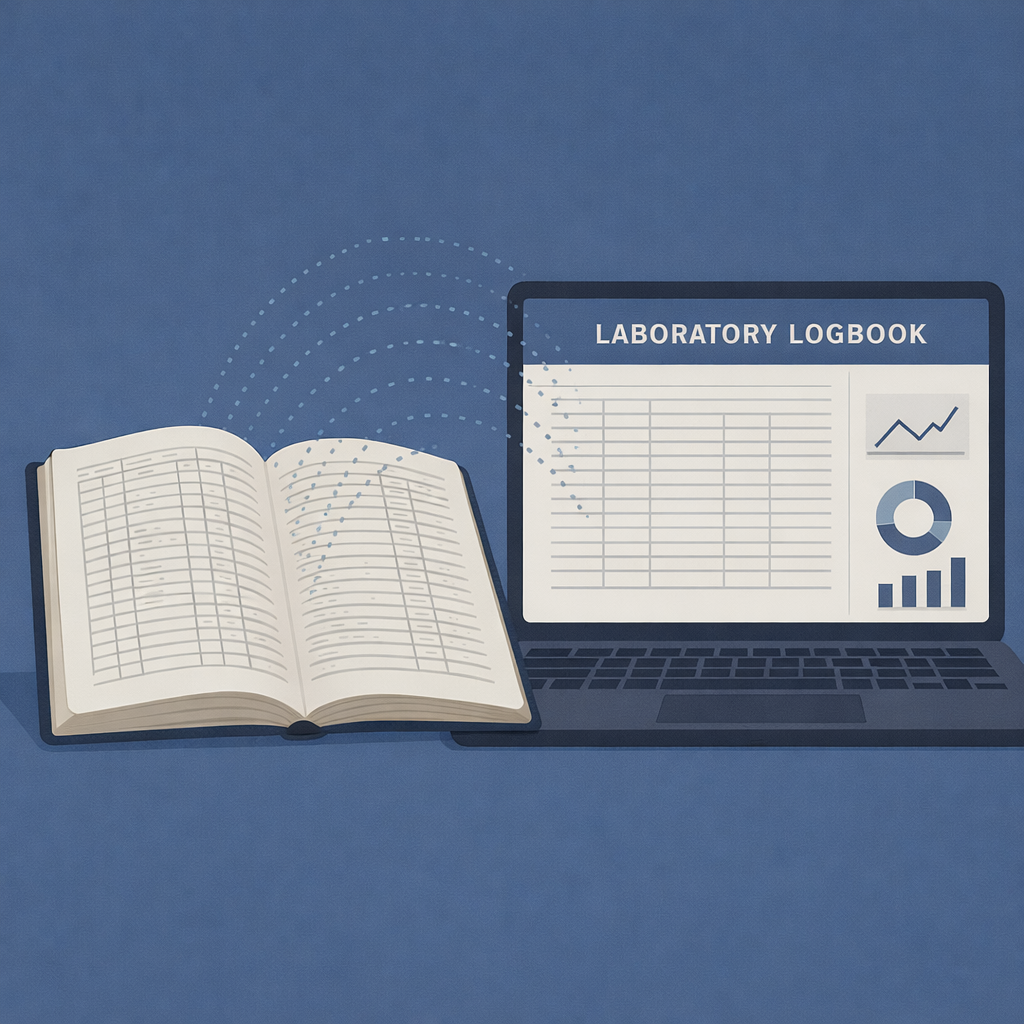
Do you keep a logbook—or do you actually use it? In many labs, the daily entries hold enormous potential that remains untapped. While lab logbooks have been a staple of lab work for decades, it is only through lab digitization that they are realizing their true potential.
From Excel to test equipment management software: How laboratories can identify shadow IT and make a structured transition to professional measurement equipment monitoring.
Why modern analytical instruments without structured knowledge management become a risk factor—and how laboratories can secure the value of their investments through systematic knowledge systems
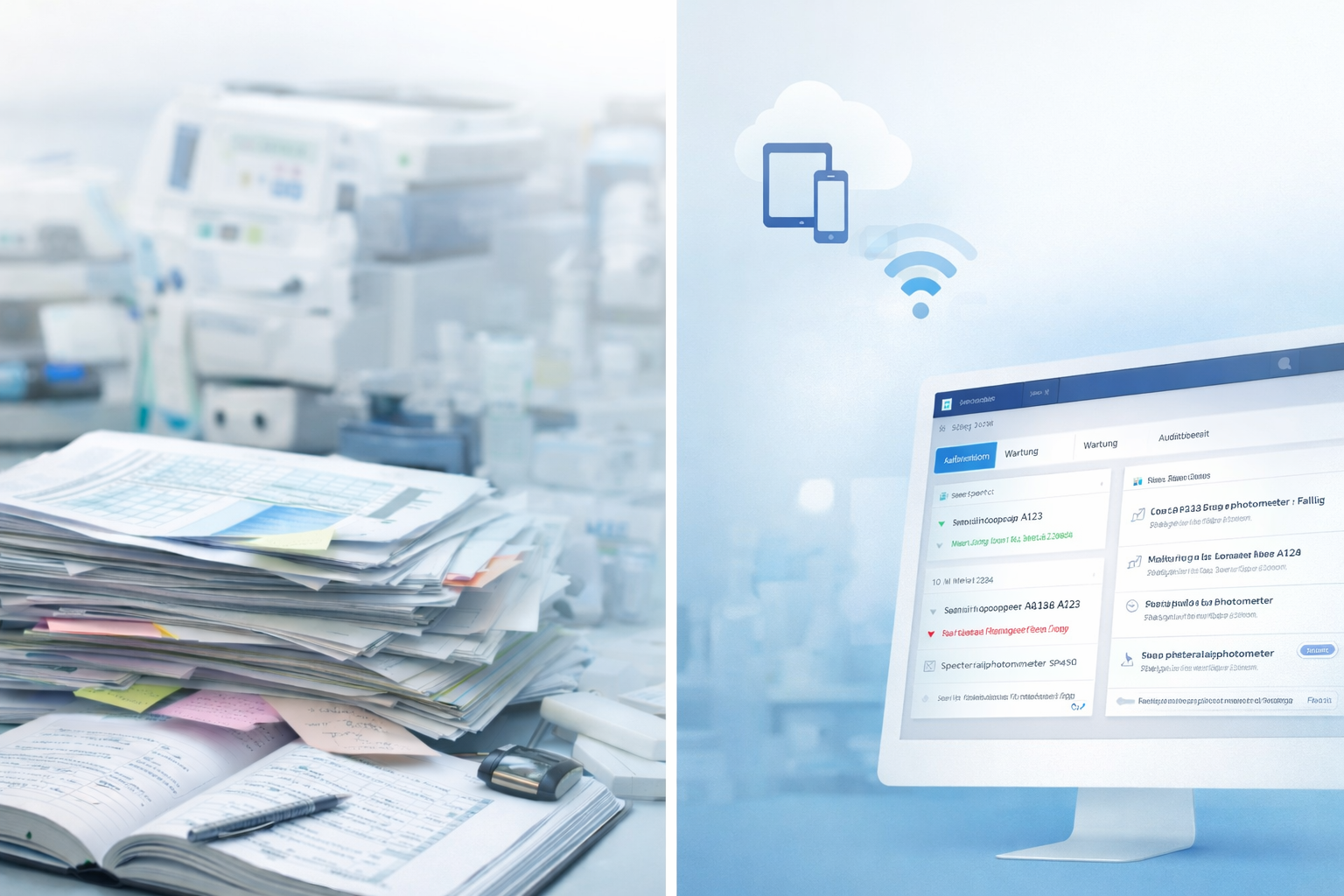
Does lab documentation take up time instead of helping? Learn why Excel has its limitations in test equipment monitoring and how digital solutions can help.
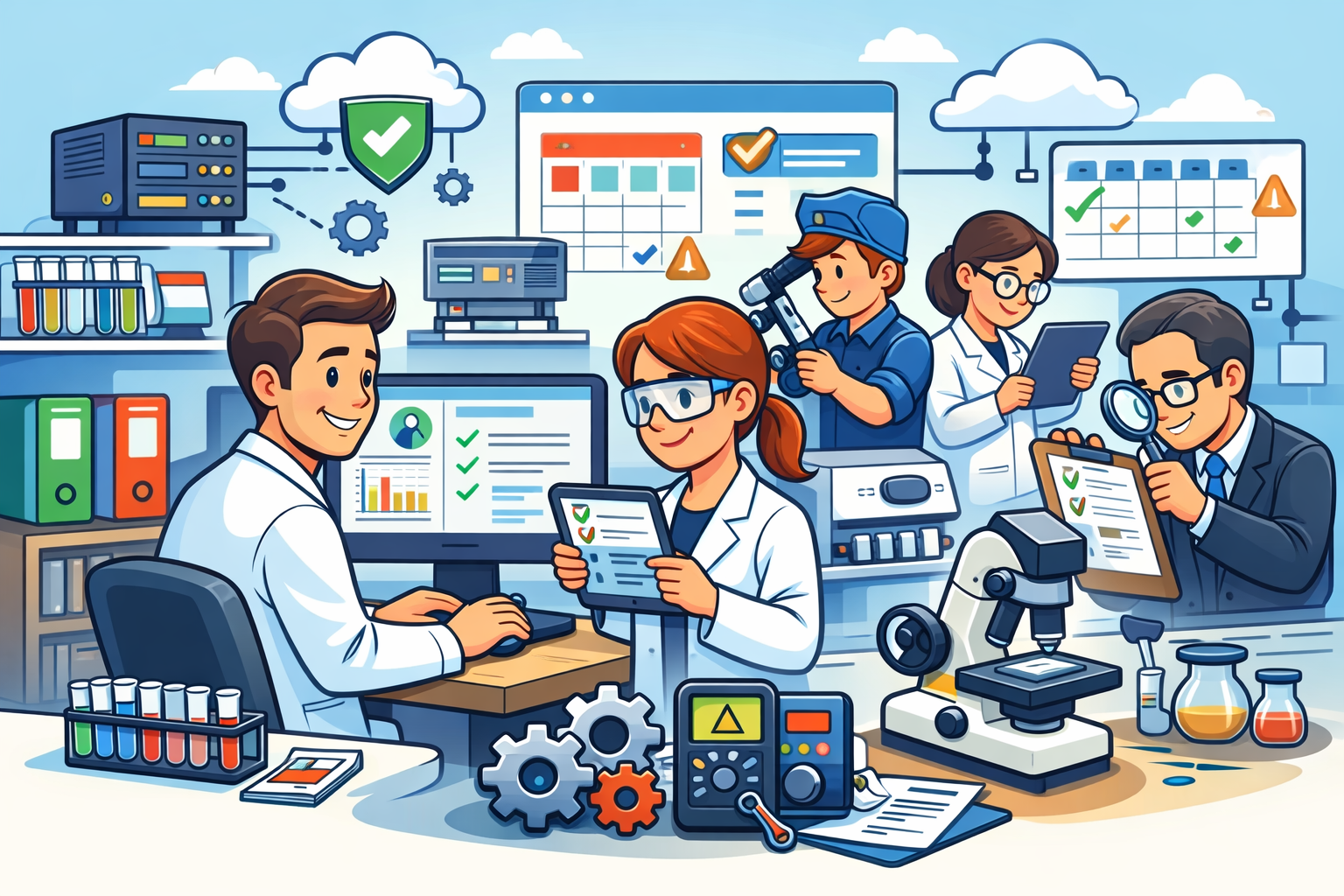
Test equipment monitoring & laboratory digitization for standard-compliant implementation of ISO 17025 and ISO 15189.
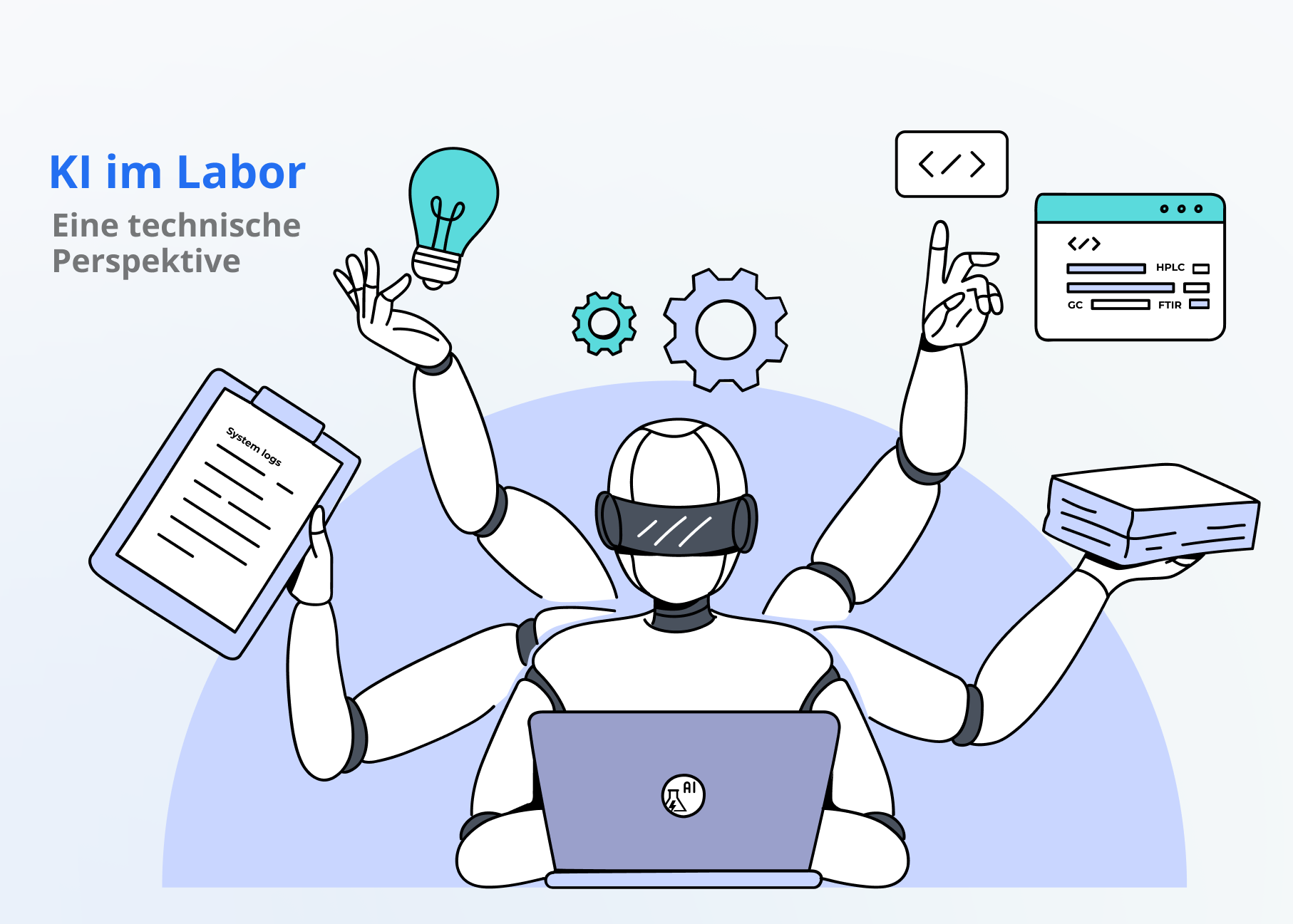
Context does not arise from individual pieces of information, but from their controlled, semantic, and temporal linking.
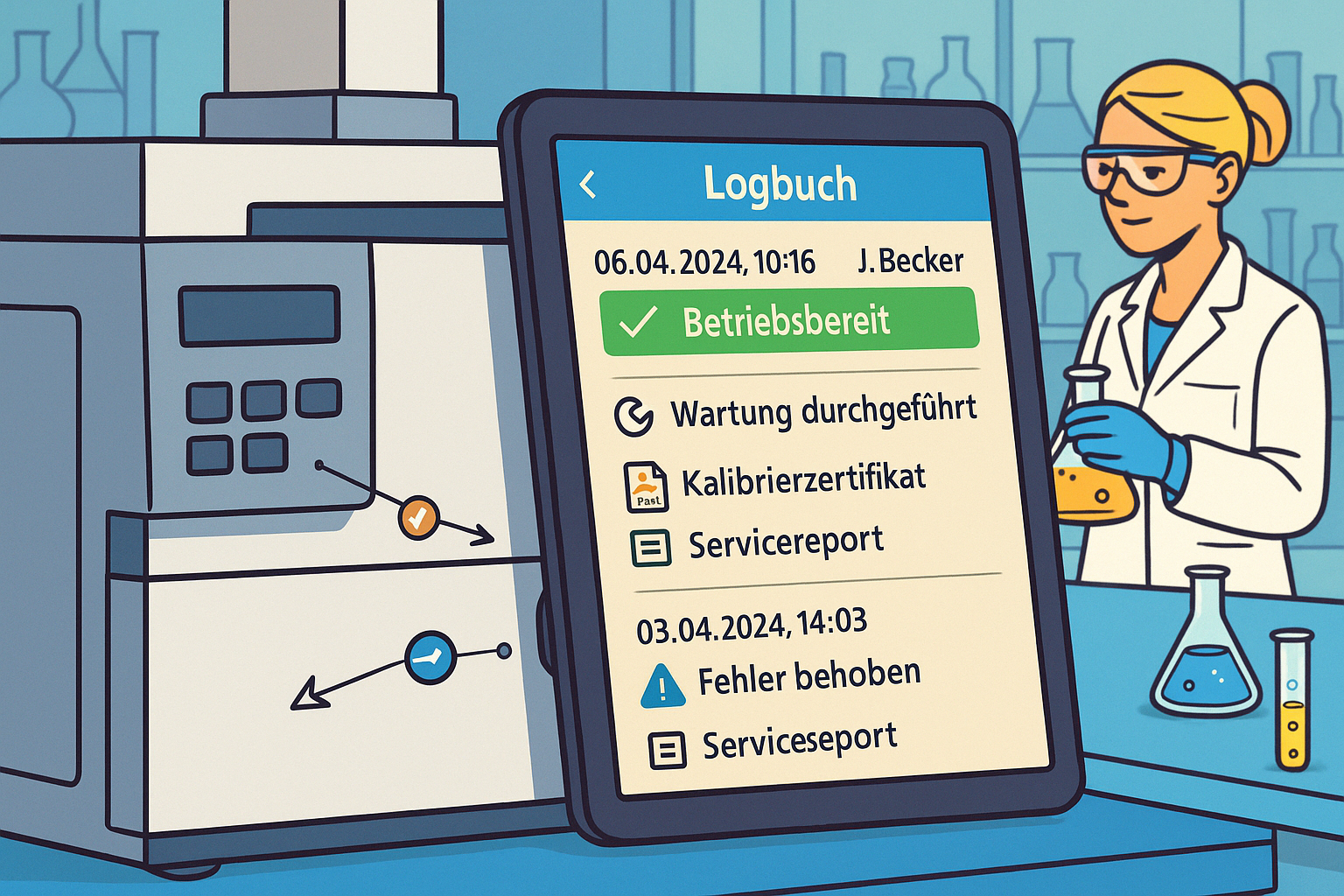
Digital logbooks in the laboratory: Why paper and Excel are no longer sufficient, what role ISO 17025, GMP, and ALCOA play—and how laboratories can use device knowledge in a future-proof way today.
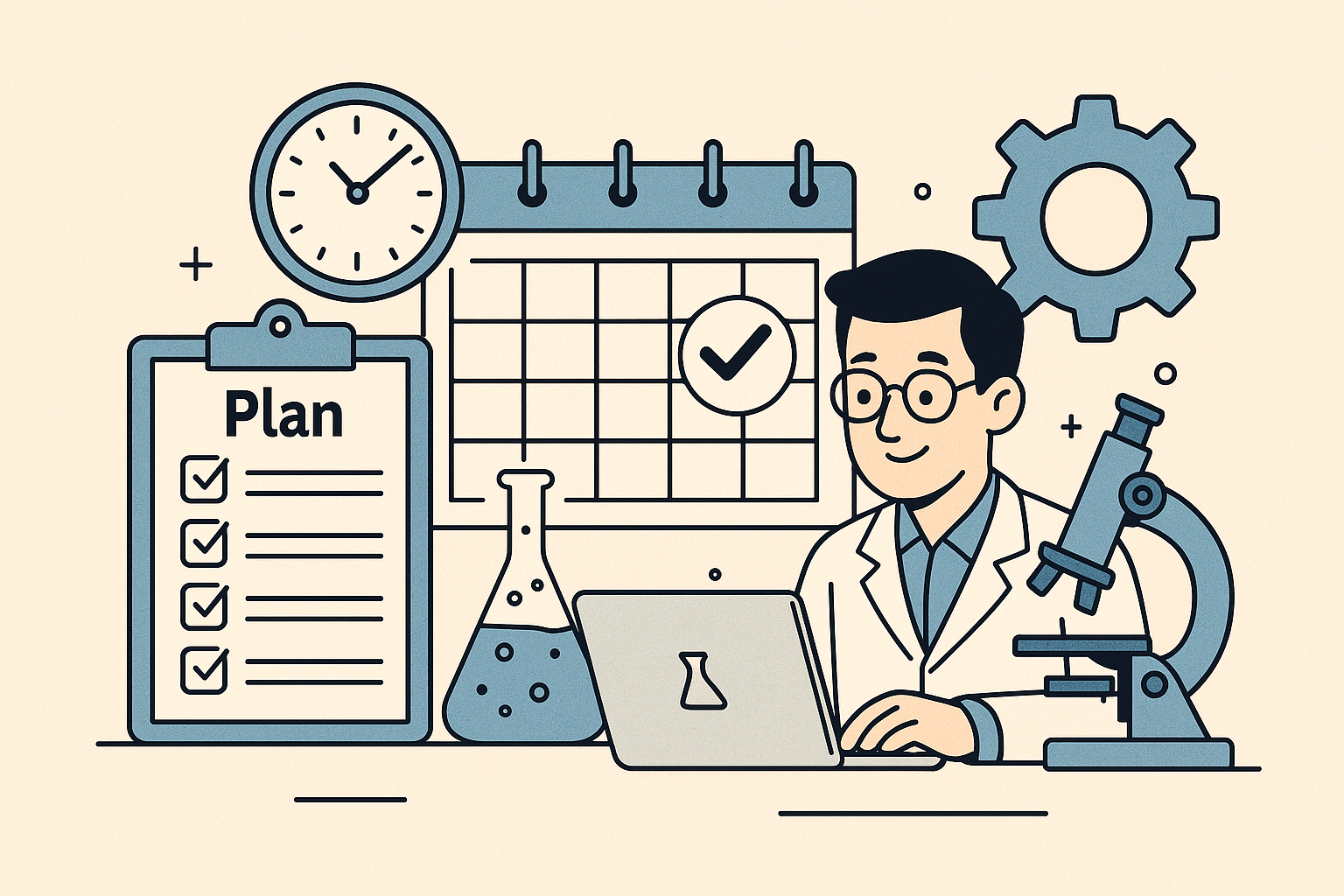
Maintenance and calibration planning in the laboratory without chaos: How to comply with ISO 17025, GMP, and GLP and keep testing equipment, deadlines, and compliance under control.
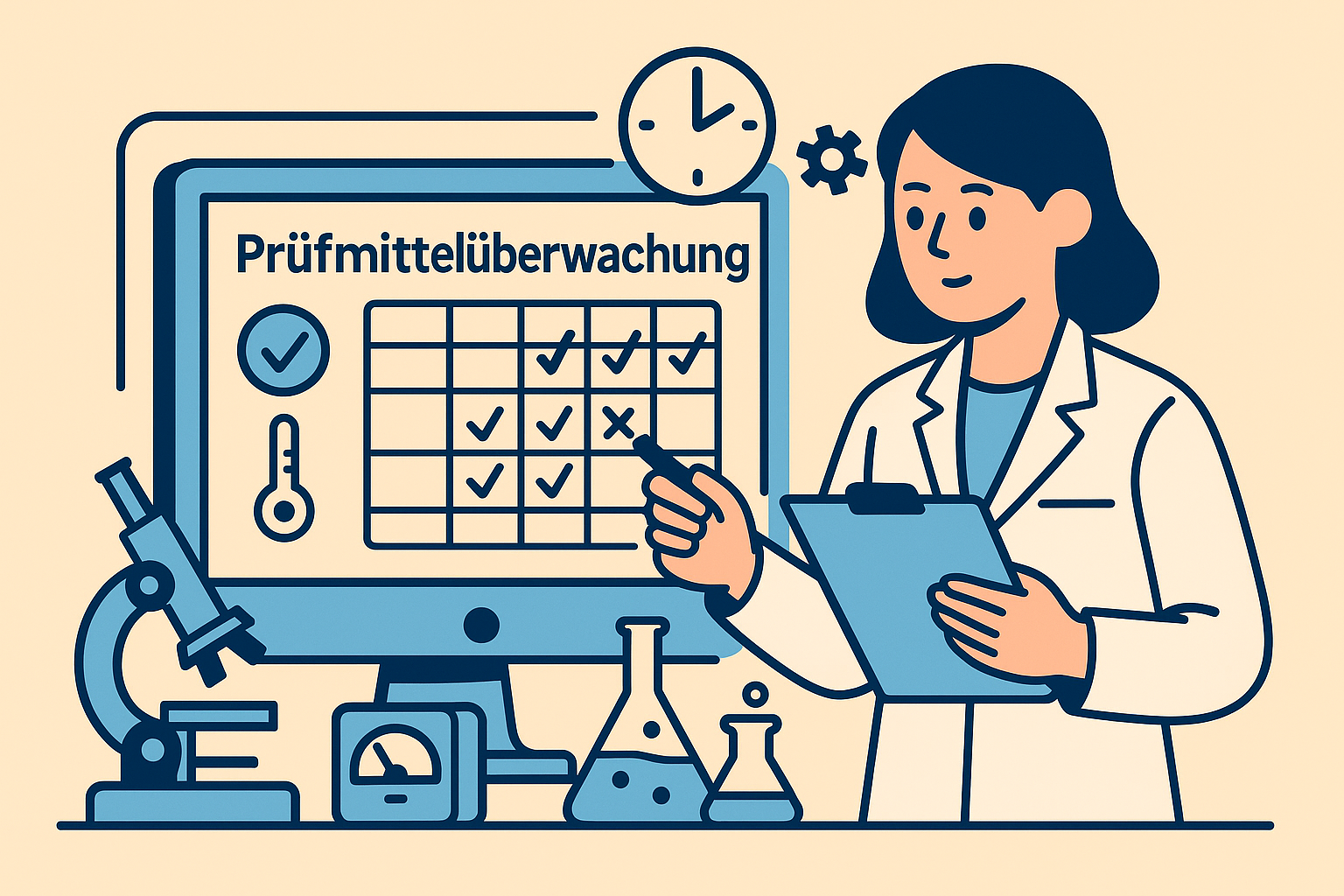
Test equipment monitoring in the laboratory: How to plan maintenance and calibration in accordance with ISO 17025, ISO 15189, GMP and GLP standards - without Excel chaos and deadline gaps.
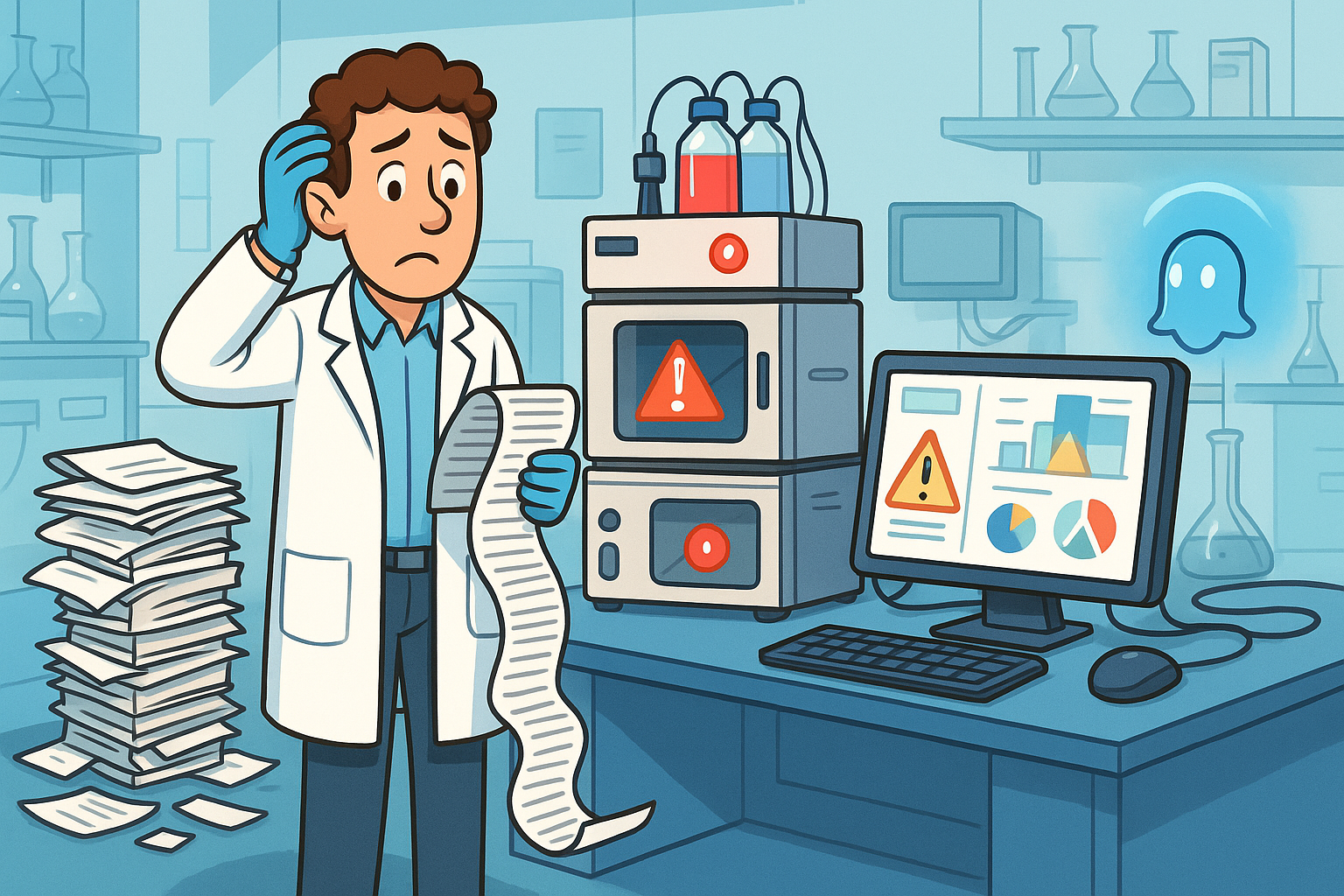
Manage equipment errors professionally: Find out how digital test equipment management, laboratory digitization and AI-supported equipment management ensure ISO 17025, ISO 15189 and GxP compliance. ✓ Learn more
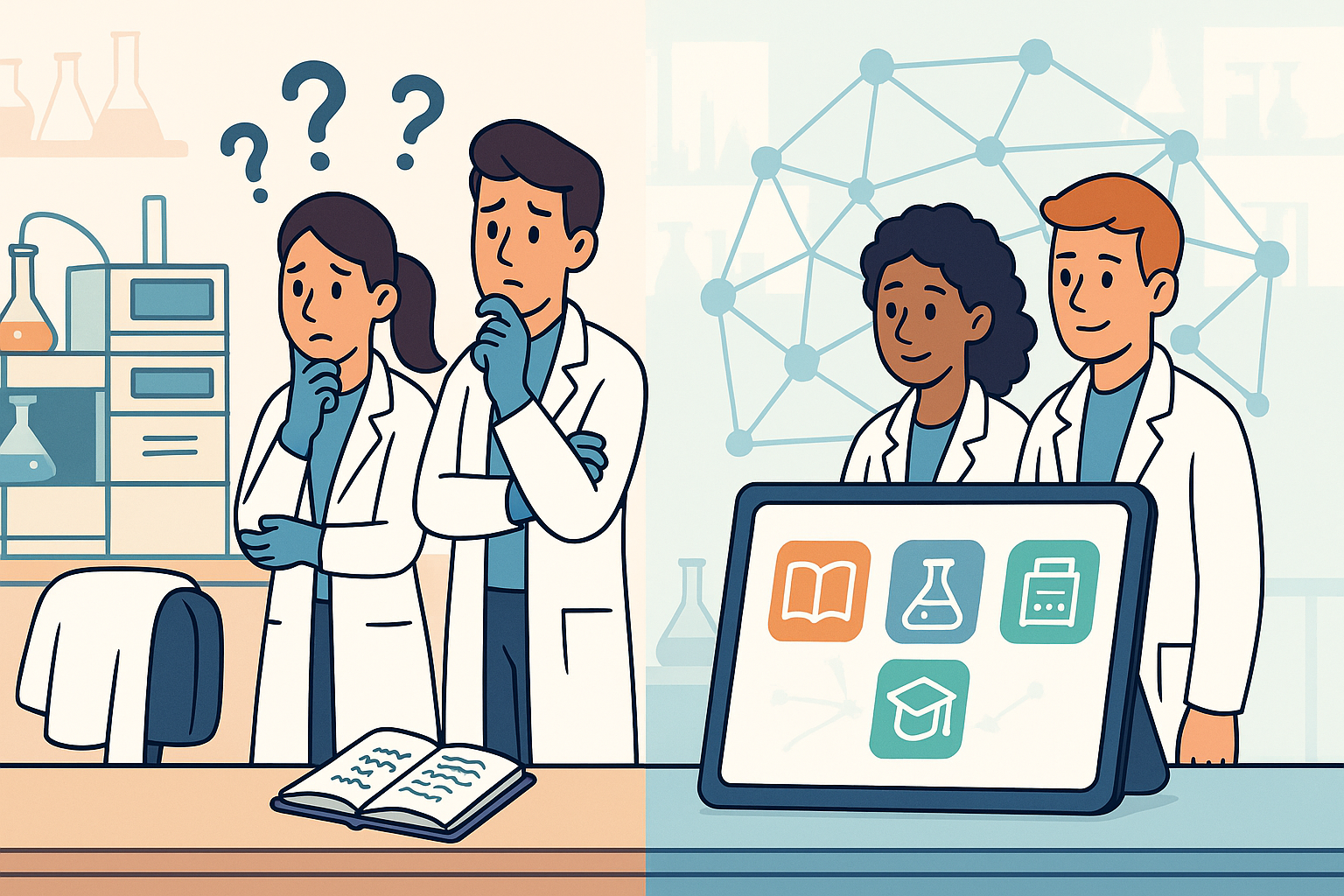
Shortage of specialists, complex analytics, dependent on individual experts? Find out how systematic knowledge retention can make your laboratory more stable, efficient and future-proof.

ISO 17025 or ISO 15189? Find out the differences and similarities - and how LabThunder combines both standards digitally.
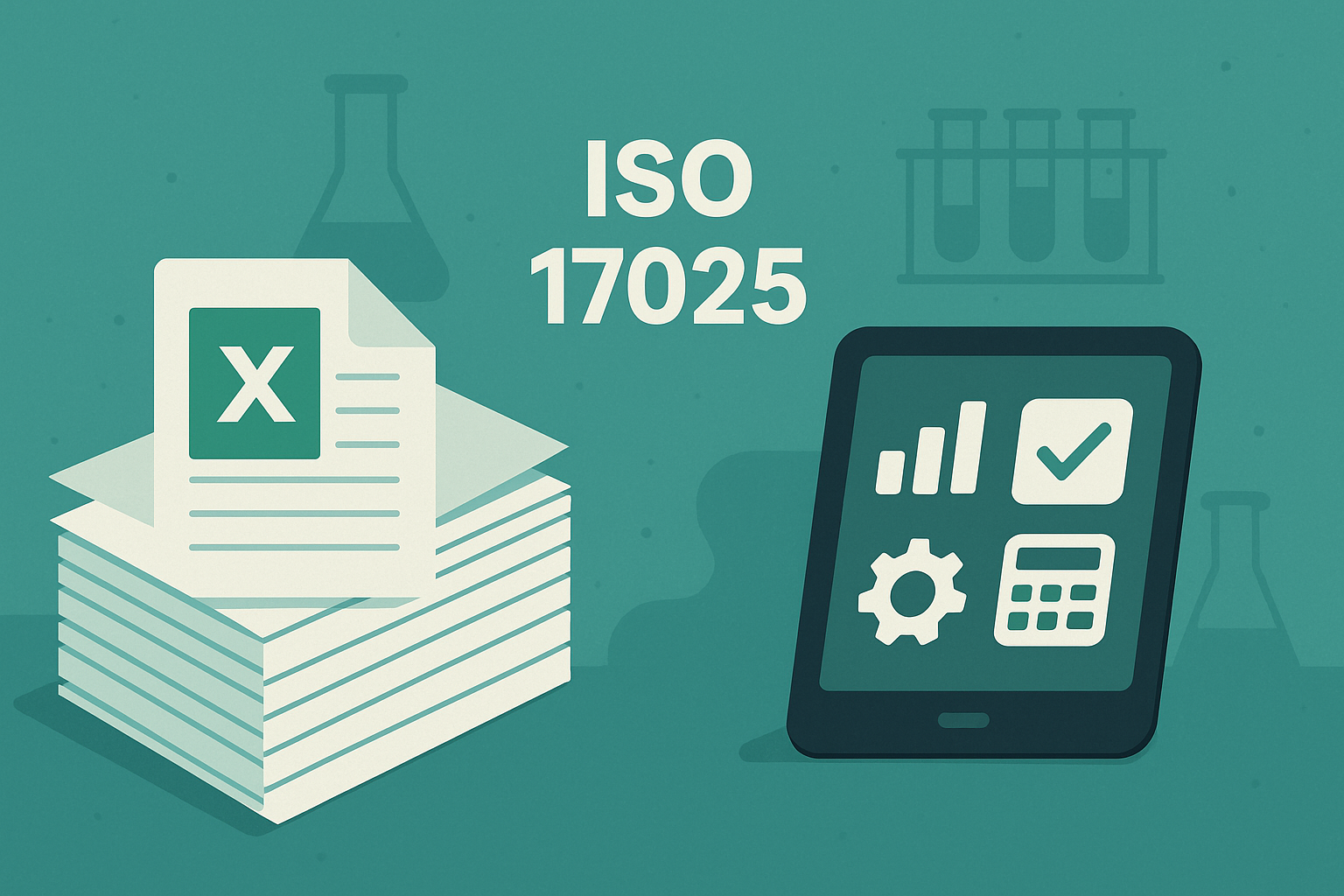
Find out how to comply with ISO 17025 in test equipment management - from Excel lists to digital device management.
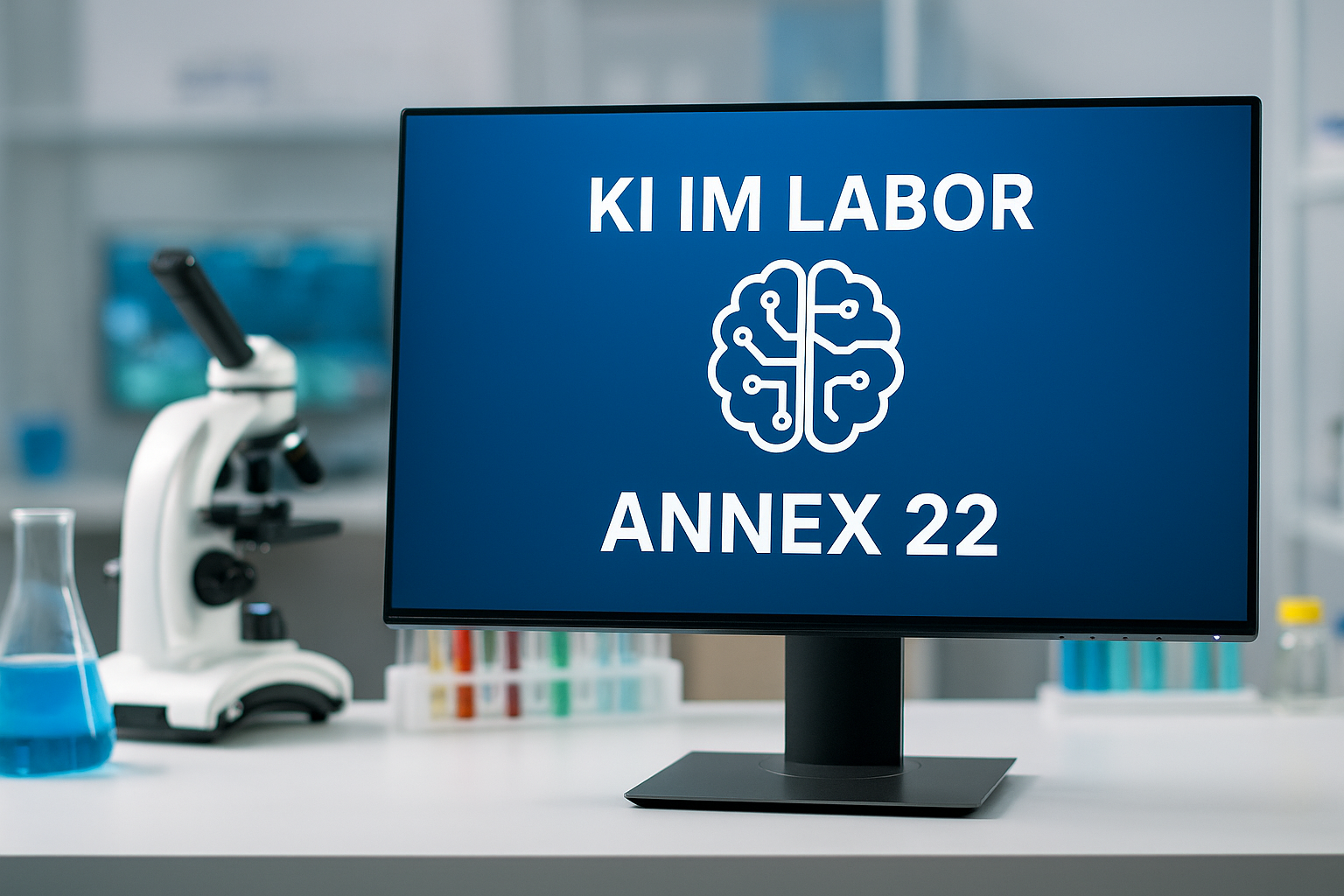
Annex 22 to the EU GMP Guideline explained: Distinguishing critical vs. non-critical AI in the laboratory, understanding validation obligations and fulfilling regulatory requirements

Preventive maintenance is often not enough. How laboratories use existing data to carry out predictive maintenance and start digital maintenance - without any sensors.

Knowledge loss is one of the biggest, yet most underestimated, problems in modern laboratory operations. Over 80% of laboratory personnel rely on individual knowledge. In this article, we explore why traditional structures fail, the hidden costs of knowledge gaps, and how digital systems and AI can help make knowledge permanently usable.

Laboratory automation: increasing efficiency, reducing costs and minimizing errors - how modern technologies are revolutionizing laboratories

Laboratory automation: Increase efficiency, reduce costs - Avoid the 3 biggest cost traps!

Do you want to start your own business as a chemist and open your own laboratory? Discover the 10 most important steps you need to take to be successful in our article.

Find out how the centralized management of laboratory equipment optimizes your processes, reduces costs and increases equipment availability. Discover practical solutions and tools for efficient laboratory organization.
.jpg)
How data-driven decision making can save you tons of money
.jpg)
Tips and tricks on how to efficiently integrate new laboratory systems into everyday life without taking risks
.jpg)
The key to efficiency and lean laboratory transformation. And why equipment management in the laboratory is so important to meet data integrity standards

This article describes the challenges of digital transformation and offers solutions for implementing it in the laboratory.

An indispensable tool for efficiency and safety in the laboratory - "Ensuring efficiency, guaranteeing compliance: Why technical logbooks are indispensable in modern laboratories."